
What Is the Difference Between Chemotherapy and Immunotherapy?
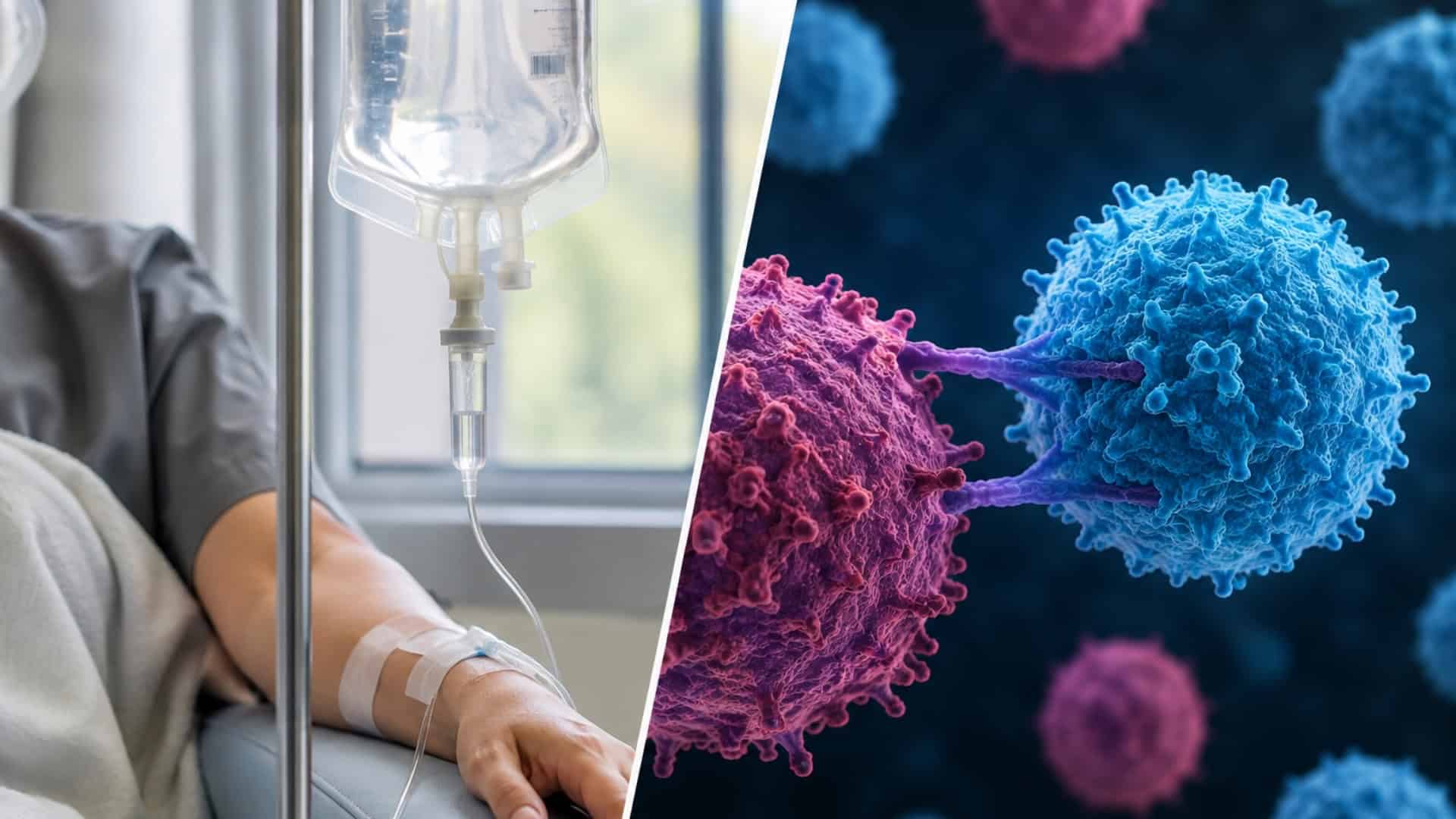
When you first hear “chemotherapy” and “immunotherapy,” they might sound like similar cancer treatments, but they work in very different ways inside your body. One directly attacks fast-growing cells, while the other trains your own defenses to recognize and destroy cancer. Each option has its own benefits, risks, and timing. Understanding how they compare could change what you ask your doctor next…
Chemotherapy vs Immunotherapy: Which Is Right for You?
Choosing between chemotherapy and immunotherapy depends on multiple medical factors rather than a single feature. Key considerations include your cancer type, stage, prior treatments, overall health, and specific biomarkers. For example, if testing shows high PD‑L1 expression or markers such as MSI‑H or dMMR, immunotherapy may be more likely to help, particularly in certain cancers like melanoma, non‑small cell lung cancer, bladder cancer, and some lymphomas.
The urgency of treatment is also important. When tumors are growing rapidly or causing significant symptoms, chemotherapy may be preferred because it often leads to faster tumor shrinkage. However, it typically carries a higher risk of side effects such as hair loss, nausea, fatigue, lowered blood counts, and increased infection risk.
Immunotherapy has a different side‑effect profile: many people experience fewer day‑to‑day symptoms, but some can develop immune‑related side effects that affect organs such as the lungs, liver, intestines, or endocrine glands.
In many cases, treatment plans involve using chemotherapy, immunotherapy, or both in a specific sequence or combination based on clinical trial evidence for that particular cancer type. Decisions are usually made in consultation with an oncology team, considering guideline‑based recommendations, test results, and the patient’s priorities and overall health status.
That comparison is far easier to make with an oncologist who delivers both. Patients considering the immunotherapy by Dr James Wilson, a London clinical oncologist treating melanoma, lung, kidney, bladder and head and neck cancers at The Cromwell Hospital and The London Clinic, are assessed on biomarker results and general health before either treatment is recommended. His page on the two therapies explains how that decision is reached and how side effects are managed alongside it.
How Chemotherapy Works to Fight Cancer
Chemotherapy uses drugs that interfere with the ability of cells to grow and divide. Cancer cells tend to divide more rapidly and in a less controlled way than most normal cells, so they're particularly affected. The cytotoxic drugs circulate in the bloodstream and reach many parts of the body, which is why chemotherapy is often described as a systemic treatment.
However, these drugs can't perfectly distinguish cancer cells from normal cells that also divide quickly. As a result, cells in the hair follicles, the lining of the digestive tract, and the bone marrow are frequently affected.
This can lead to side effects such as hair loss, nausea, vomiting, and fatigue. Because bone marrow function is suppressed, blood counts including white blood cells, red blood cells, and platelets may fall, increasing the risk of infection, anemia, and bleeding.
Chemotherapy is typically given in cycles, with treatment periods followed by rest periods to allow normal tissues to recover.
It can be delivered by intravenous infusion, injection, or oral tablets, depending on the specific drugs and treatment plan.
Throughout therapy, the medical team monitors blood tests and clinical symptoms to adjust doses, manage side effects, and evaluate how well the treatment is controlling the cancer.
How Immunotherapy Helps Your Immune System Fight Cancer
Instead of directly killing cancer cells as chemotherapy does, immunotherapy works by helping the immune system identify and target them. It alters how immune cells, often T cells, recognize tumor cells so that these cells are treated as abnormal rather than ignored.
One major approach uses checkpoint inhibitors, which block molecules such as PD-1 and PD-L1. Tumors can exploit these molecules to dampen immune responses; blocking them can restore T‑cell activity against cancer cells.
Other immunotherapy strategies adjust immune responses through drugs given by infusion or injection, including cytokines and monoclonal antibodies.
In adoptive cell transfer, such as CAR T‑cell therapy, a patient’s immune cells are collected, modified in a laboratory to better recognize cancer, and then reinfused. Clinical responses may take time to appear but can be more durable in some patients compared with standard chemotherapy.
The side-effect profiles also differ: rather than the hair loss and low blood counts often seen with chemotherapy, immunotherapies more commonly cause immune-related reactions, such as inflammation of organs, which require careful monitoring and management.
Which Treatment Is More Effective: And When?
Understanding that chemotherapy targets rapidly dividing cancer cells directly, while immunotherapy enhances the activity of your own immune system, leads to an important question: which approach is more effective in a given situation?
There's no universally superior option. The relative effectiveness depends on factors such as cancer type, stage, prior treatments, and specific biomarkers (for example, PD‑L1 expression or MSI‑H/dMMR status).
Chemotherapy often produces a faster reduction in tumor size, which can be important when the cancer is progressing quickly or when rapid symptom control is needed.
Immunotherapy tends to have a slower onset of action, but in patients who respond, the benefits can be more durable.
Evidence supports both individual and combined use of these treatments.
For some cancers, combining chemotherapy with immunotherapy leads to better outcomes than either alone.
In metastatic non‑small cell lung cancer (NSCLC), for instance, adding a PD‑1/PD‑L1 inhibitor to standard chemotherapy has been shown in clinical trials to improve overall survival.
In patients with metastatic NSCLC whose tumors have high PD‑L1 expression, pembrolizumab monotherapy has demonstrated substantially longer median survival compared with chemotherapy alone.
Treatment decisions are typically based on clinical guidelines, tumor characteristics, biomarker testing, and a patient’s overall health and preferences, rather than a one‑size‑fits‑all ranking of “better” or “worse” therapy.
Side Effects of Chemotherapy vs Immunotherapy
When comparing chemotherapy and immunotherapy, the main differences often appear in their side-effect profiles and how these effects are managed. Chemotherapy commonly causes hair loss, nausea or vomiting, and fatigue.
It can also reduce white blood cell counts, which increases the risk of infection, so blood tests are performed regularly to monitor for this.
Immunotherapy is less likely to cause hair loss or significant nausea. Instead, its side effects are usually related to immune system overactivation, which can lead to inflammation in various organs.
Examples include pneumonitis (lung inflammation), colitis (inflammation of the colon), and hepatitis (liver inflammation). These immune-related side effects are often treated with corticosteroids or other medications that suppress the immune response.
Day-to-Day Life on Chemotherapy or Immunotherapy
Although chemotherapy and immunotherapy are both commonly used cancer treatments, they affect daily life in different ways.
With chemotherapy, side effects often appear sooner after treatment. These may include fatigue, nausea, vomiting, hair loss, changes in appetite or taste, and an increased risk of infection due to lower white blood cell counts.
Because chemotherapy is usually given in repeating cycles, many people can anticipate when they're likely to feel more tired or unwell and plan work, childcare, and social activities around infusion days and expected recovery periods.
Medications such as anti-nausea drugs and growth factors to support blood counts are often used to manage these effects, and regular blood tests are scheduled to monitor safety.
Immunotherapy tends to cause fewer immediate side effects such as nausea or hair loss, and some people feel more stable from day to day.
However, immune-related side effects can occur at any point during treatment, and sometimes even after treatment has ended.
These side effects are caused by the immune system attacking normal tissues and can involve organs such as the lungs (cough or shortness of breath), intestines (diarrhea or abdominal pain), liver (jaundice or abnormal liver tests), skin (rashes), or endocrine glands (fatigue, weight changes, or temperature intolerance).
Because these reactions can develop unpredictably and may become serious if not treated early, it's important to report new or worsening symptoms promptly.
Management often involves pausing immunotherapy and using medications such as corticosteroids or other immunosuppressive drugs to reduce inflammation.
When Doctors Recommend Chemotherapy First
Day-to-day experiences with treatment often raise another question: in which situations do doctors recommend starting with chemotherapy instead of immunotherapy? This approach is more common when the cancer is growing quickly, causing significant symptoms, or has spread in a way that requires rapid tumor shrinkage to prevent complications.
Chemotherapy is also more likely to be used first when the tumor doesn't have biomarkers associated with better responses to immunotherapy, such as high PD‑L1 expression or microsatellite instability–high (MSI‑H) status.
In some cases, your care team may suggest chemotherapy before surgery (neoadjuvant chemotherapy) to reduce the size of the tumor and make an operation safer or more effective.
Although chemotherapy can cause substantial side effects, it may provide faster relief of symptoms in certain situations.
In some treatment plans, chemotherapy is followed by immunotherapy or a combination approach, depending on how the cancer responds and your overall health.
When Immunotherapy Works Best
Because immunotherapy relies on a patient’s own immune system to target cancer cells, it's more likely to be effective when the tumor has characteristics that make it easier for immune cells to detect. Clinicians often assess biomarkers such as PD‑L1 expression and microsatellite instability‑high (MSI‑H) status, which are associated with increased immune recognition.
For example, MSI‑H colorectal cancers have defects in DNA mismatch repair, leading to a high number of mutations. This elevated mutation burden can produce more abnormal proteins (neoantigens), which may make these tumors more responsive to certain immunotherapies.
Melanoma, some types of lung cancer, bladder cancer, and specific lymphomas are also commonly considered for immunotherapy based on their biological features.
In patients with non–small cell lung cancer whose tumors show high PD‑L1 expression, treatment with pembrolizumab has been shown in clinical trials to significantly improve median overall survival compared with chemotherapy alone, indicating a clear benefit in appropriately selected cases.
Combining Chemotherapy and Immunotherapy
When chemotherapy is combined with immunotherapy, the goal is to target the cancer through complementary mechanisms: chemotherapy directly damages and kills tumor cells, while immunotherapy enhances the immune system’s ability to recognize and attack cancer cells that persist.
By increasing tumor cell death, chemotherapy can release more tumor antigens into the surrounding tissue, which may help “prime” the tumor microenvironment and make checkpoint inhibitors, such as PD‑1/PD‑L1 blockers, more effective.
In metastatic non–small cell lung cancer, several clinical trials have shown that adding a PD‑1 or PD‑L1 inhibitor to standard chemotherapy can improve overall survival and progression‑free survival compared with chemotherapy alone, including in many patients with PD‑L1–positive tumors.
The degree of benefit can vary based on factors such as PD‑L1 expression level, tumor histology, and patient characteristics.
Toxicities from combination therapy often overlap and can be additive.
Common chemotherapy‑related side effects include nausea, fatigue, hair loss, and low blood counts, which can increase the risk of infection or bleeding.
Immunotherapy can cause immune‑related adverse events, in which the activated immune system inflames normal tissues; examples include pneumonitis (lung inflammation), colitis (bowel inflammation), hepatitis, thyroid dysfunction, and skin reactions.
These immune‑related effects may require corticosteroids or other immunosuppressive treatment.
Close monitoring is important to identify and manage side effects promptly.
How Patients and Doctors Choose Between Chemotherapy and Immunotherapy
How you and your oncology team choose between chemotherapy, immunotherapy, or a combination depends on several medical factors. Your doctors first consider the cancer type and stage, how quickly it's growing, and your overall health and daily functioning.
They also review biomarker test results such as PD‑L1 expression, MSI‑H (microsatellite instability–high), tumor mutational burden (TMB), and specific genetic alterations that can help estimate how likely you're to benefit from immunotherapy.
If the cancer is causing significant symptoms or needs to shrink quickly, or if biomarker tests don't suggest a strong benefit from immunotherapy, chemotherapy is often used as the initial treatment.
Immunotherapy is more commonly used in certain cancers, including melanoma, some types of lung and bladder cancer, kidney cancer, and specific lymphomas, particularly when biomarkers support its use.
In many situations, chemotherapy and immunotherapy are given together or one after the other, based on clinical trial evidence and treatment guidelines.
Your medical history also plays an important role.
Conditions such as autoimmune diseases (for example, rheumatoid arthritis, lupus, or inflammatory bowel disease) and pre‑existing lung or bowel problems can increase the risk of immunotherapy‑related side effects.
In these cases, your team may adjust the treatment plan, add closer monitoring, or choose alternative therapies.
Conclusion
You’ve learned that chemo attacks fast‑growing cells directly, while immunotherapy helps your immune system target cancer. Each has different benefits, timelines, and side effects, and sometimes they work best together. As you weigh options, ask questions, share your goals and concerns, and lean on your care team’s experience. There’s no one “right” choice for everyone, there's the plan that fits your cancer, your health, and what matters most to you.
